
Constipation in Women

Constipation is a common digestive problem and occurs more frequently in women than in men. It is often caused by lifestyle factors or changes such as travel.
Constipation is defined as infrequent bowel movements (typically more than 72 hours apart), straining, and the passage of hard, dry stools. It may be accompanied by bloating, loss of appetite, or abdominal pain.
Possible Causes
Constipation is considered a “civilization disease,” more common in developed societies. Insufficient fiber intake, low fluid consumption, and lack of physical activity are major contributors. Women may be more affected due to generally lower fluid intake.
Constipation is also common during pregnancy, affecting about half of expectant mothers. Hormonal changes, especially increased progesterone levels, can slow digestion. As pregnancy progresses, the growing fetus may also affect bowel movement. Some supplements and medications can worsen symptoms.
Home Management, Medication, or Prevention?
During pregnancy, identifying the cause is essential. Iron-rich supplements may contribute to constipation, and medical consultation is recommended before switching products.
In most cases, including pregnancy, increasing fiber intake, drinking adequate fluids, and daily physical activity—such as walking—can be effective. Probiotic supplementation may also help restore healthy gut flora and support normal bowel function. Probiotics should be used as part of a longer course and under professional supervision during pregnancy.
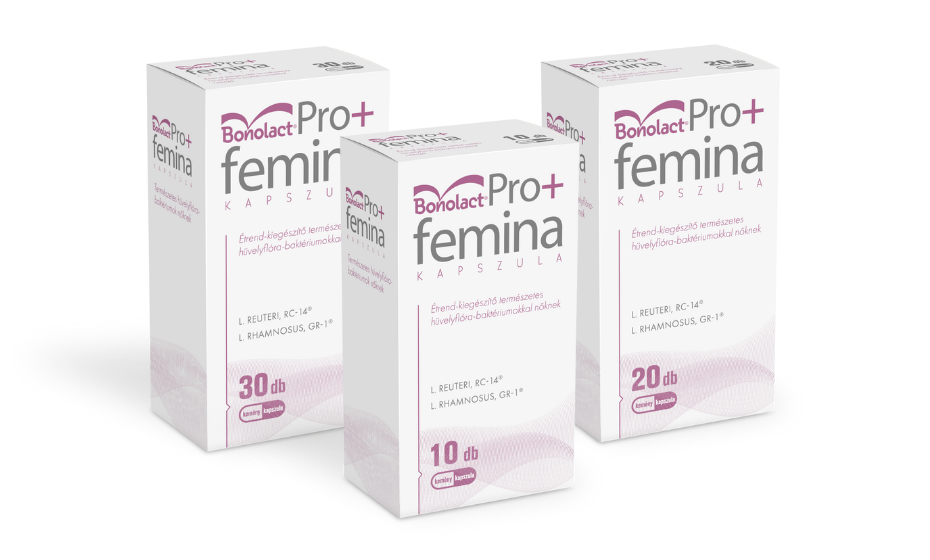
Oral live flora preparation for women, natural with vaginal flora bacteria.
Contains at least 4 billion CFU of active bacteria per capsule. Free from gluten, lactose and milk protein. Suitable for vegetarian and vegan diets.